After a devastating brain injury, Zane Volkmann made the life he wanted.
-
Image
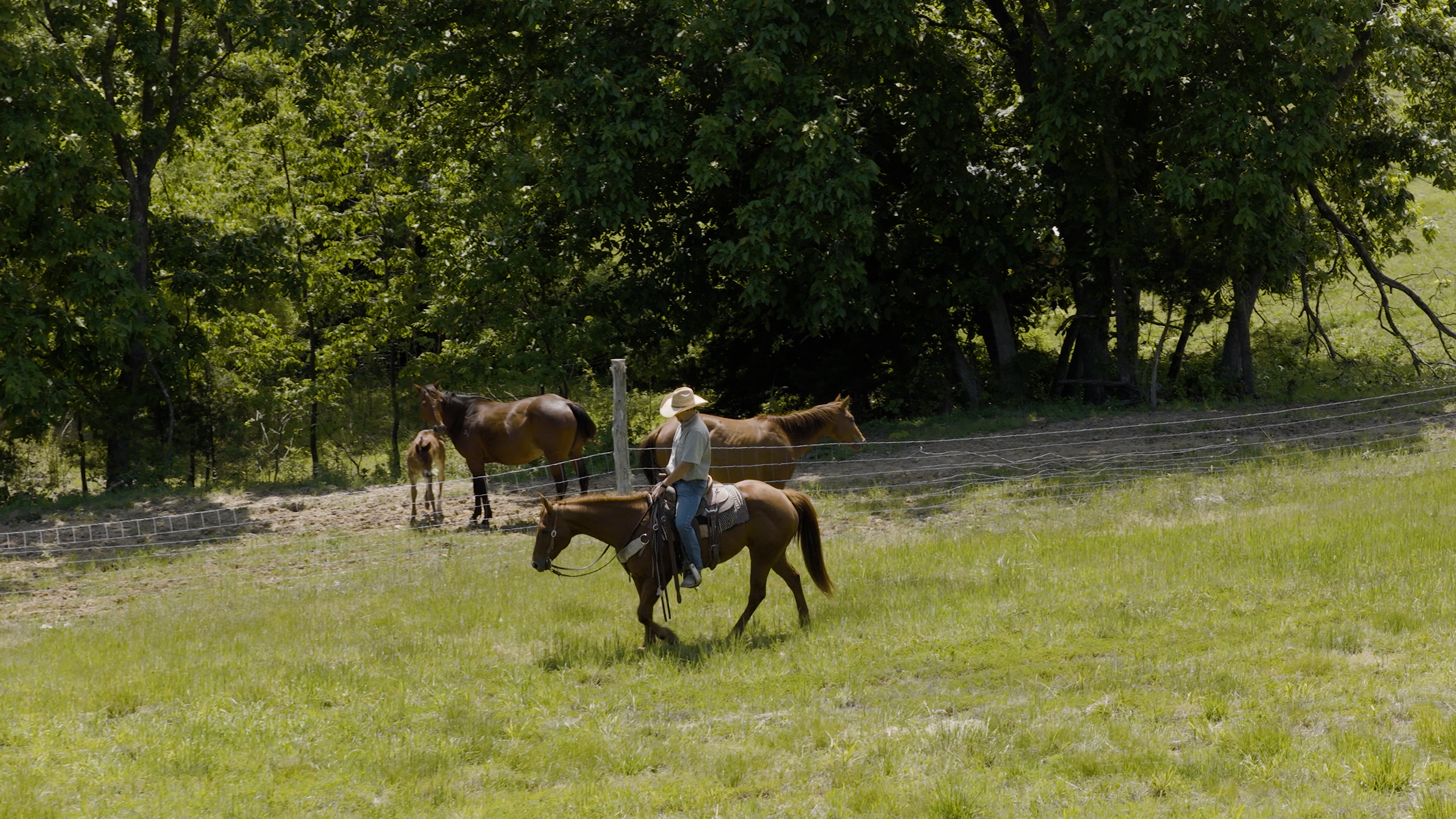
 Zane Volkmann raises cattle and horses near Fayette, Mo. An accident that left him with a serious brain injury and broken vertebra when he was 18 threatened to derail his aspirations. Photo by Trevor Borgman, MU Extension.
 -
Image
 Photo by Trevor Borgman, MU Extension.
 -
Image
 Photo by Trevor Borgman, MU Extension.
 -
Image
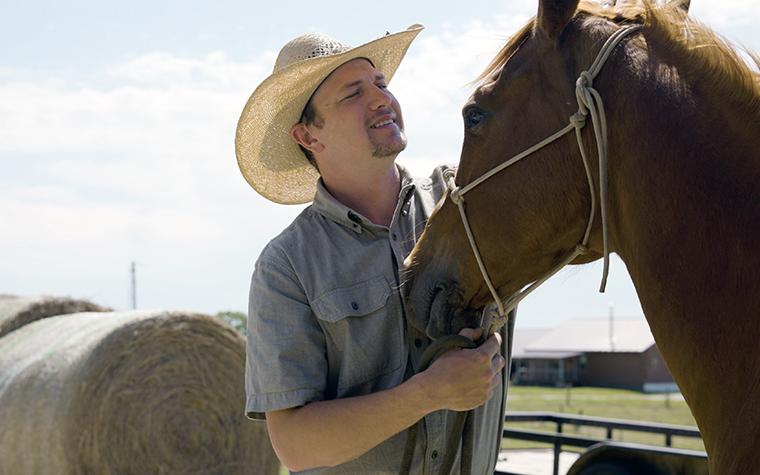 Photo by Trevor Borgman, MU Extension.
 -
Image
 Photo by Trevor Borgman, MU Extension.
FAYETTE, Mo. – When Zane Volkmann talks about a typical day, it sounds overwhelming. But he seems to like it that way. “I don’t do well sitting around,” Volkmann says.
He’s usually up at five to feed and change his younger son, Wyatt, who was born less than a month earlier. From 7 a.m.-3 p.m., he’s at his seed company job cleaning, treating and bagging soybeans. After that there’s his work as a horse trainer, farrier and cattle rancher. After dark, he might still be on the go, picking up milk for his family at Dollar General before finally heading home.
Fourteen years ago, after a serious accident, he faced the prospect of a much different life. He credits Missouri AgrAbility, a program of University of Missouri Extension, with providing crucial assistance on his long road to recovery.
“They gave me the tools to build a career in agriculture with horses and cattle and do what I love,” he says. “I have that career, along with my wife and my two sons. That’s about as good as it gets.”
A life-changing fall
On Aug. 13, 2012, weeks before his senior year of high school, Volkmann was working cattle at the Callaway Livestock Center. He dismounted from his horse by grabbing onto an overhead pipe and letting the horse run out from under him. He’d done it lots of times, but this time the horse was going too fast. Momentum carried him up, and he fell 9 feet onto his head. The accident left him with three brain bleeds and a fractured T7 vertebra.
“The first feeling I remember was confusion,” Volkmann said of waking up in the hospital. “Everybody’s sad. Everybody’s looking at me. I’m going, ‘What am I doing here?’”
Doctors said Volkmann would either recover, live with severe disabilities, or die. “Imagine hearing that as a parent,” he said.
He recovered, but doctors told him he shouldn’t ride horses anymore. Volkmann wouldn’t hear of it. He grew up watching “Rawhide” and old Hollywood westerns, running aroundwith cap guns strapped to his hips and playing cowboys and Indians. “I was going to ride again.”
It was six months before he was back in the saddle. “I was chomping at the bit,” he said. “Before the accident, I was riding horses every single day, unless it was raining hard or snowing hard. And I mean really hard.”
For his first rides after the accident, his parents watched from the yard. “I remember wanting to go ride through the woods and the pastures,” he said. “Nope. ‘Zane, you stay right here close to the house.’”
Support in recovery and school
“When you hurt your brain, your brain goes naturally to what you’re good at,” he said. “Horses, cows. That stuff never fell off.”
But high school academics was a different story. Reading comprehension became laborious. He had to relearn math.
During his recovery, Volkmann found support through Missouri AgrAbility, which helps farmers and ranchers keep working after injury, illness or disability. The program connects people with practical solutions tailored to their situation, including specialized equipment, safety planning, educational support and one-on-one guidance. For Volkmann, that meant having someone in his corner as he figured out how to rebuild his life.
AgrAbility staff helped him navigate school after his brain injury, including setting up accommodations through what’s known as a 504 plan, which ensures students with disabilities can succeed academically.
Volkmann finished high school on schedule, graduating fifth in his class. We went on to study equine ranch management at Northeastern Oklahoma A&M College. He again turned to Missouri AgrAbility when he found himself struggling in math class.
Within hours, he got a call from Karen Funkenbusch, the director of Missouri AgrAbility and an assistant extension professor in the MU Department of Occupational Therapy at the College of Health Sciences. “She said, ‘Go to this building, upstairs, this room number,’” Volkmann recalled. “They were waiting for me.”
Three tutoring sessions a week followed. “The next thing you know, I’m passing college algebra,” he said.
“AgrAbility involves more than just adapting equipment,” Funkenbusch says. “It’s about meeting with people where they are. Our goal is listening to their stories, helping find practical ways to continue doing the work they enjoy and living the life that matter to them.”
Volkmann said AgrAbility staff “are the people that are going to get you back in your tractors. They’re going to get you back on your horses. They’re going to get you back to doing what you love.”
Learning to manage and adapt
At his barn, Volkmann often secures horses using ropes tied to rubber inner tubes fixed to wooden beams. The elasticity gives the horse a little room to pull instead of meeting a sudden wall of resistance. The system reduces stress for the animal. It’s a technique he picked up from a veteran trainer. His own safety as well as the well-being of his livestock depends on being mindful of when an animal is stressed.
After his accident, Volkmann had to learn to turn that awareness on himself.
He speaks openly now about something many rural men rarely discuss publicly: anxiety after trauma. There were days when ordinary decisions felt overwhelming.
One afternoon, while checking cattle, he sat down on a log in the pasture and felt panic closing in around him.
“I couldn’t make a decision,” he said. “I called my mom and dad, and they said, ‘Breathe. Slow down. Focus on the facts.’”
He still struggles at times with memory and mental overload. His phone is full of reminders and alerts to help organize the demands of work and family life. He takes medication to help manage focus and anxiety. “I hate taking meds,” he said. But he notices the difference when he doesn’t take them.
“A lot of agricultural producers are independent by nature,” Funkenbusch said. “Zane already had that drive. Our role was helping remove barriers and making sure he had support when he needed it.”
Building a life and looking ahead
Today, the 31-year-old Volkmann lives outside Fayette with his wife, Samantha, and their two young sons. The couple built an 1,800-square-foot home there after marrying in 2021. Their older son, Weston, was born the following year.
He’s raising more than 40 cows and about a dozen horses. He shoes horses for about 40 clients in the area. Local ranchers hire him to move cattle and round up strays. The Howard County fair is coming up, so he’ll also be busy helping 4-H and FFA youths get ready.
Weston already likes helping around the farm; maybe he inherited his father’s same restless energy. But Volkmann’s own energy is now tempered by awareness of his responsibilities as a husband and parent.
In addition to teaching his sons about farm life, he wants to convey some of the deeper lessons he learned – without the boys having to learn them the hard way, as he did. But no life is entirely without hardship, and probably shouldn’t be, and he wants his sons to know that hardship “can either build you up or tear you down. Allow it to build you up,” he said.
“I hope they grow up and think, ‘My daddy overcame that.’ And then, hopefully, they become even better than I am.”
That mindset, along with his faith, helped carry him through years of recovery, long workdays and difficult stretches of anxiety and uncertainty.
“What I would say to someone who is struggling quietly with a disability ... is that you matter,” he said. “Do not let what happened to you define you.”
While he rarely needs formal assistance from AgrAbility anymore, he still draws comfort from knowing the program is there for him.
“It’s always in your back pocket,” he said.
About Missouri AgrAbility
Missouri AgrAbility is a partnership led by University of Missouri Extension that helps farmers, ranchers, agricultural workers and farm families with disabilities.
The program connects participants with free practical solutions tailored to their individual needs. Assistance may include adaptive equipment recommendations, safety planning to avoid secondary injuries, offering educational solutions, referrals to medical or rehabilitation resources, and ongoing support for agricultural families navigating physical or mental challenges
Missouri AgrAbility, as a statewide program, is part of the national AgrAbility network supported by the USDA National Institute of Food and Agriculture.
Key Missouri partners include the MU College of Agriculture, Food and Natural Resources; the Innovative Small Farmers’ Outreach Program at Lincoln University Cooperative Extension; and the Brain Injury Association of Missouri.
For more information, visit the Missouri AgrAbility website or call 1-800-995-8503 (toll-free).
Video
Built for This: The Journey of Zane Volkmann
Photos
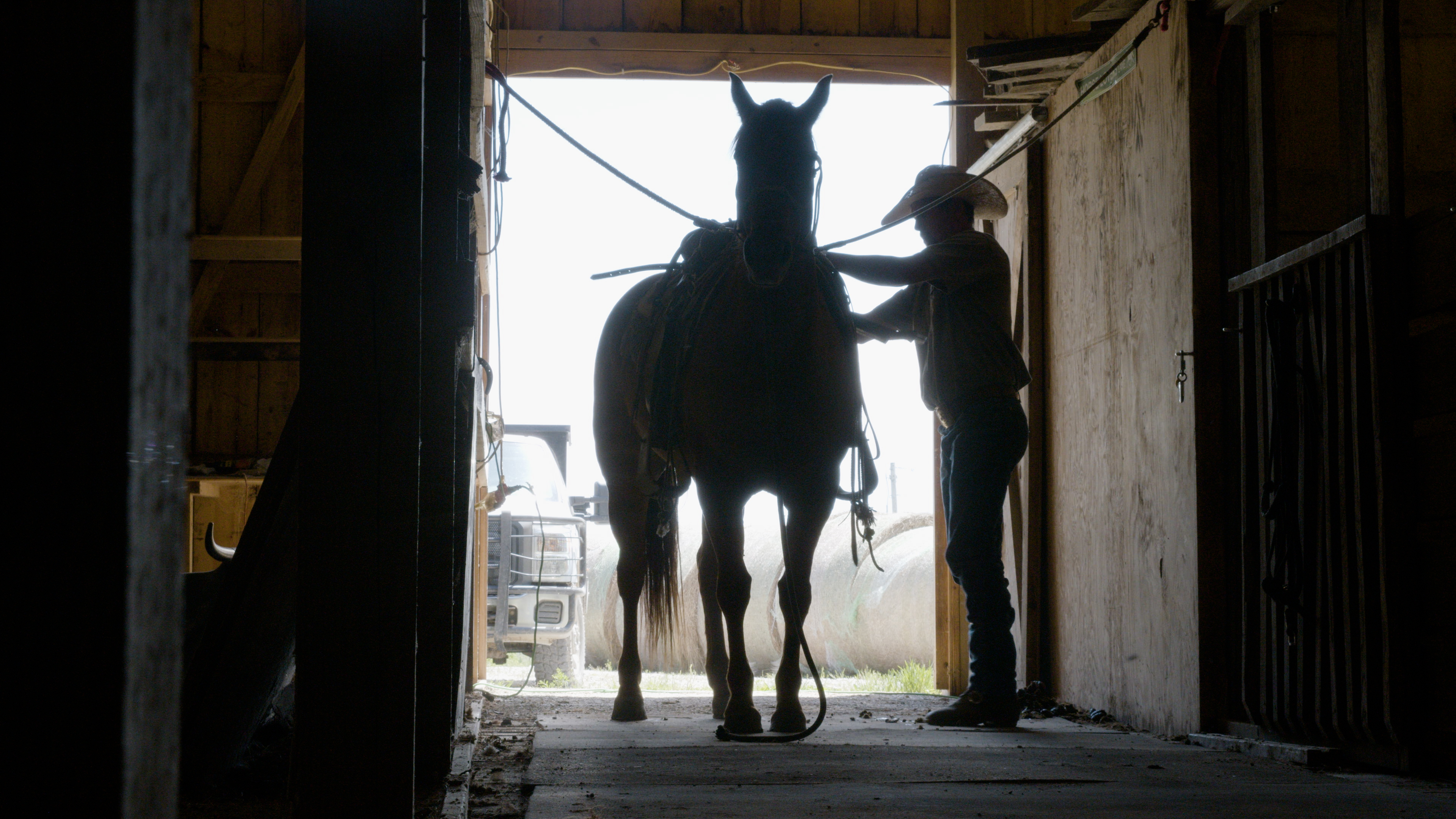
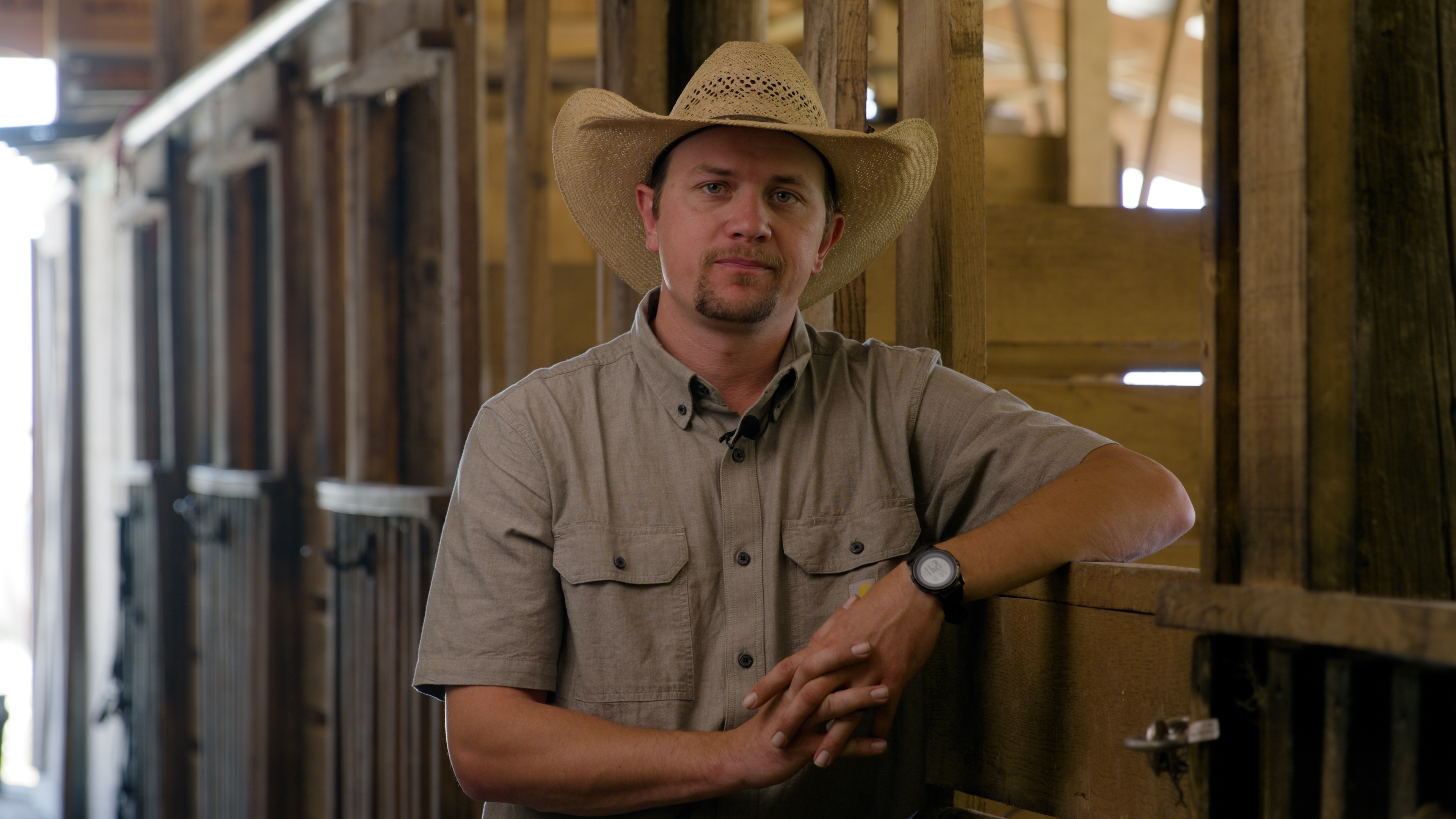

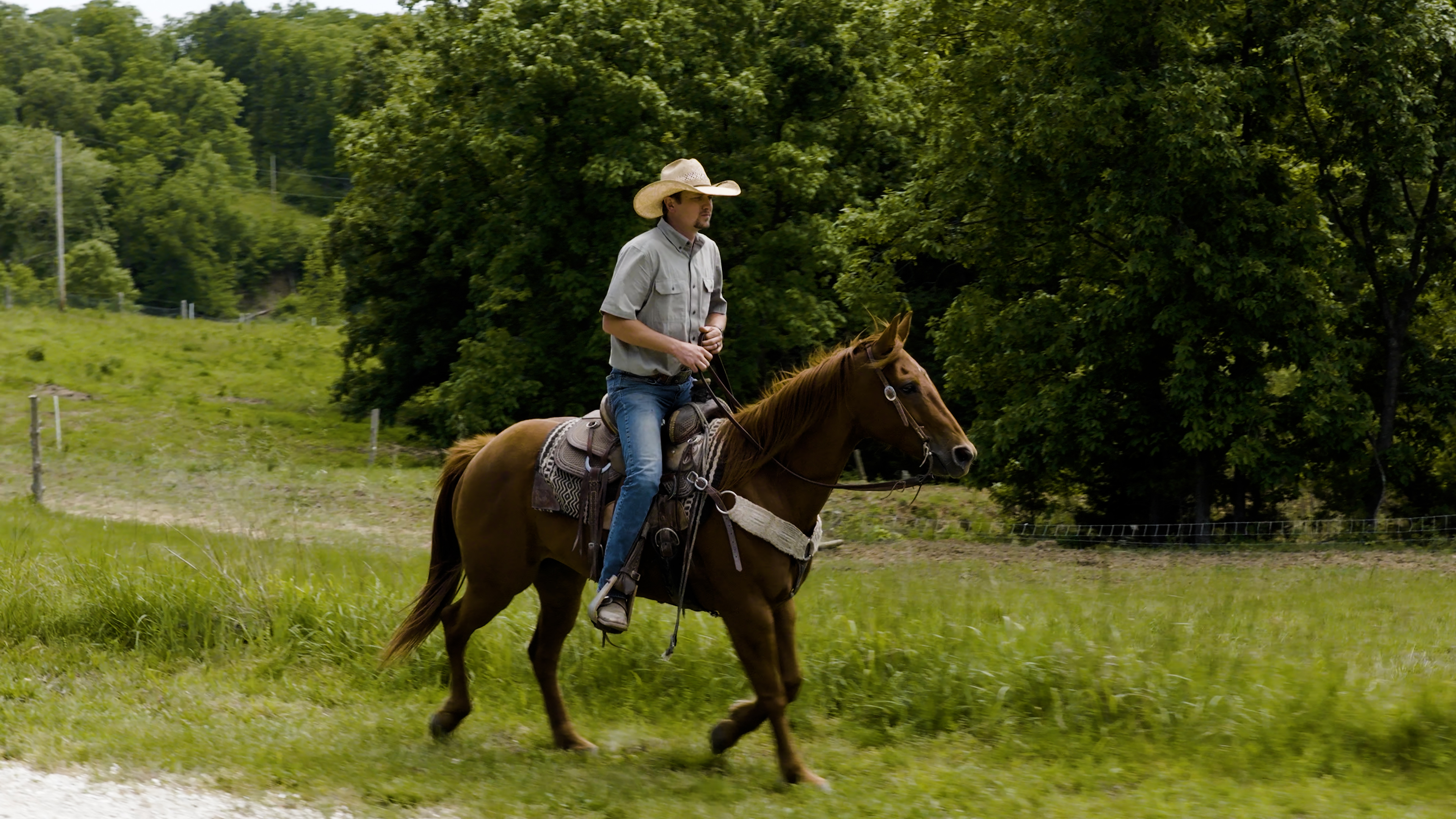
Photos by Trevor Borgman, MU Extension