-
Image
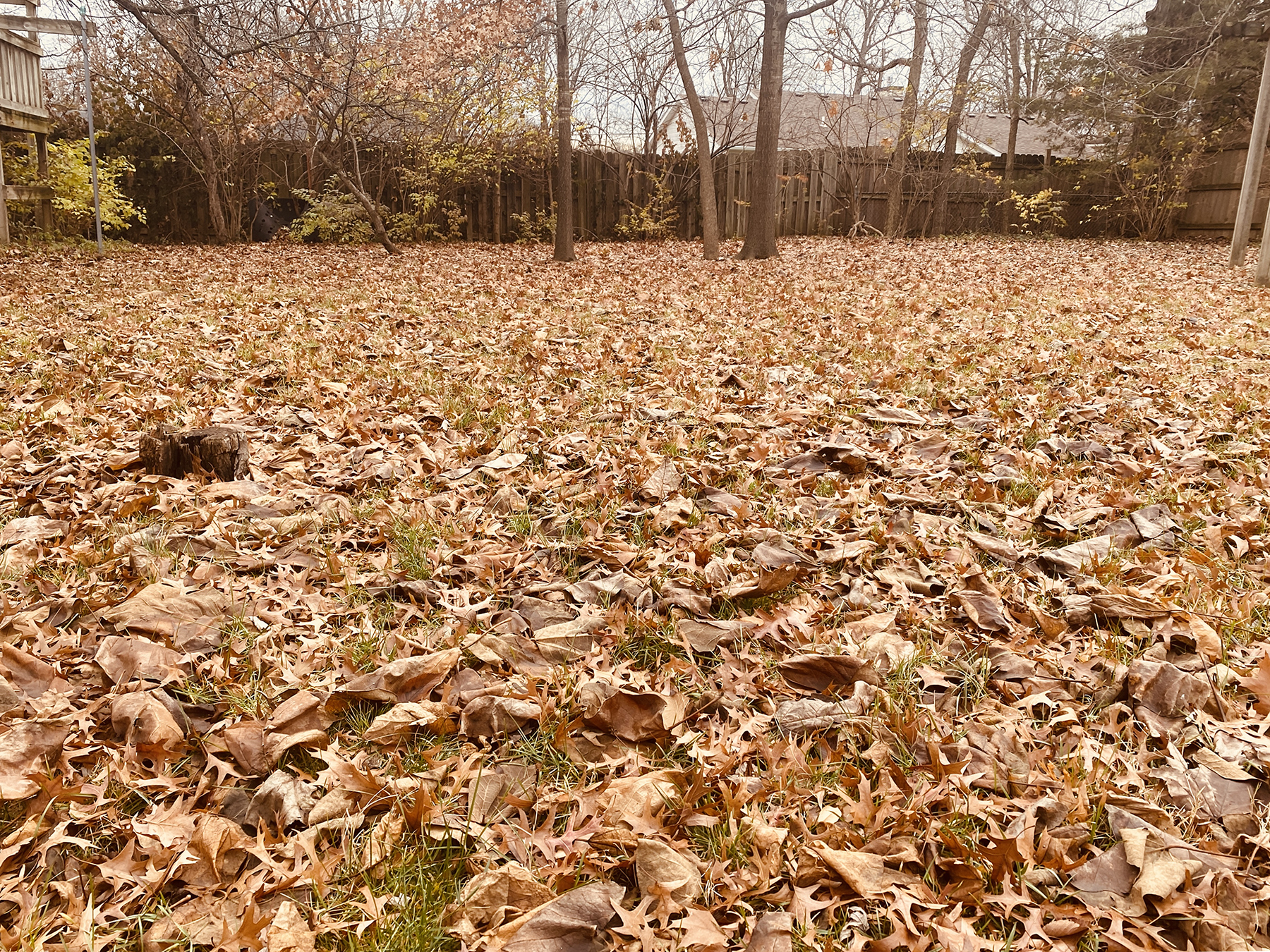
 Autumn leaves. MU Extension file photo.
COLUMBIA, Mo. – Trees sporting leaves with vivid autumn colors can be an attractive sight, but once the leaves pile up in the yard, they are problem.
Removing fallen leaves is a labor-intensive and at times frustrating annual ritual, but proper leaf disposal is necessary fora healthy, attractive landscape, said University of Missouri Extension horticulturist David Trinklein.
Leaves that accumulate over lawns and low ornamental plants can pack down and form a tight mat, particularly during a wet winter. A thick layer of leaves can block sunlight from turfgrass, reducing the plants’ ability to manufacture food. Leaves also tend to trap and hold moisture, increasing the potential for disease outbreak.
Fallen leaves are a valuable resource that many gardeners overlook. They contain small amounts of certain essential mineral elements, including nitrogen, phosphorus and potassium, and they are a rich source of organic matter, which is invaluable in helping to build good soil structure. So instead of bagging and throwing leaves away, gardeners should recycle them, Trinklein said.
One option is to shred them into the lawn. On a dewy morning when the leaves are still damp, adjust your lawn mower to its highest setting and start mowing. By double mowing in a crisscross pattern, you can often reduce leaves to the size of confetti. The tiny pieces will gradually filter into the lawn and decompose, releasing nutrients for use by the turfgrass. Research has demonstrated that a layer of leaves up to 6 inches thick can be mulched into the lawn with no ill effects.
Composting is another way to prevent damage from fallen leaves and turn them into a useful soil amendment. Compost is partially decomposed organic matter created by biological processes in which soil-inhabiting microbes break down plant tissue. Compost is very beneficial for soil improvement. It binds small (clay) soil particles together, making them larger. This helps improve aeration, root penetration and water movement. When applied to sandy soil, compost can help retain moisture and nutrients.
The soil organisms that break down carbon require nitrogen in the process. Most leaves are low in nitrogen and high in carbon. This combination makes their natural decomposition rather slow, Trinklein said. Composting speeds natural decomposition under controlled conditions, but applying additional nitrogen is often necessary.
A backyard compost pile can be almost any size that is convenient for the space available. However, for best results, it should be no less than about 25 square feet in area at its base and 3 feet in height. “As a rule, larger compost piles are better than smaller ones,” he said. Whatever its size, always locate a compost pile in a well-drained area.
After setting up an enclosure to contain the material to be composted, start with a layer of leaves or other plant material. This initial layer should be 6-8 inches deep. Add a nitrogen source on top of each layer of leaves. About 4 pounds of actual nitrogen are needed for each bushel of packed or shredded leaves. This converts to about 10 ounces of a pure nitrogen fertilizer such as urea (46-0-0), or 2 pounds of a general garden fertilizer such as 12-12-12.
Temperature is important in the composting process. As soil microbes decompose the leaves, their heat of respiration dramatically raises the temperature of the pile. The center of a properly made compost pile should reach 110-140 F in four to five days. At that time, the pile begins “settling,” which is a sign that the pile is working properly.
Turn the compost pile every few weeks until the leaves are thoroughly decomposed and are a uniform dark color. Turning the pile mixes partially decomposed material back into the center of the pile while adding oxygen. Composting is considered complete when the pile no longer heats after being turned.
“There is a calming satisfaction in raking leaves on a crisp autumn afternoon, a chore that transforms yard work into a form of active introspection,” Trinklein said. “Beyond the physical satisfaction of tidying the lawn, the chore offers a joyful excuse to step away from computer screens and cell phones and connect with nature. The entire experience culminates in a classic, lighthearted reward: the irresistible urge to leap into a freshly gathered pile of leaves, or to experience the simple pride felt when stepping back and admiring a neatly cleared yard.”
Photo
Autumn leaves. MU Extension file photo.