Plants and insects are still sleeping.
-
Image
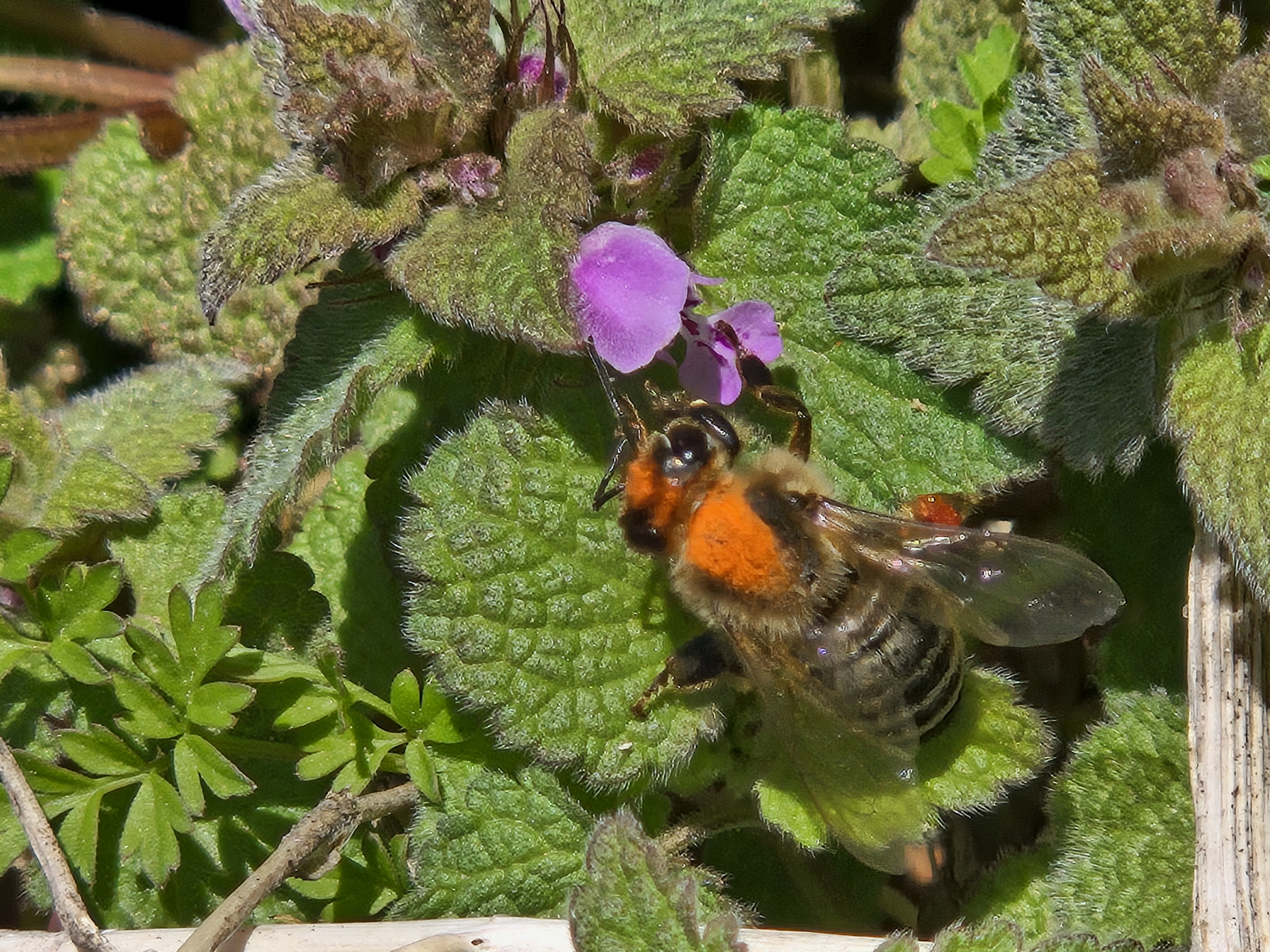
 Self-heal (Prunella vulgaris) is an excellent, highly recommended native plant for pollinators. It is especially good for native bee support. Photo by Katie Kammler.
 -
Image
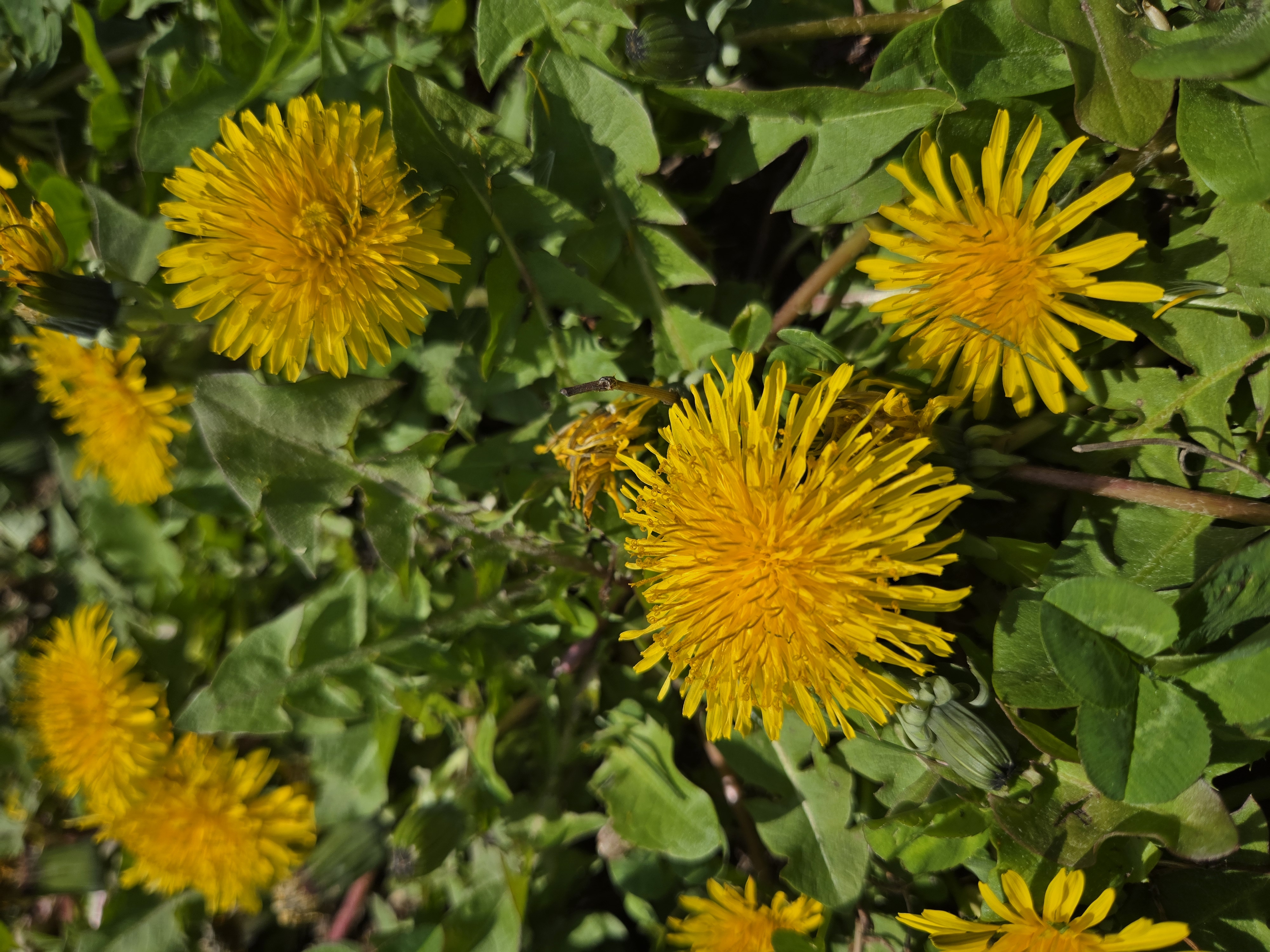
 Dandelions can provide an early source of nutrition for pollinators. Photo by Katie Kammler.
 -
Image
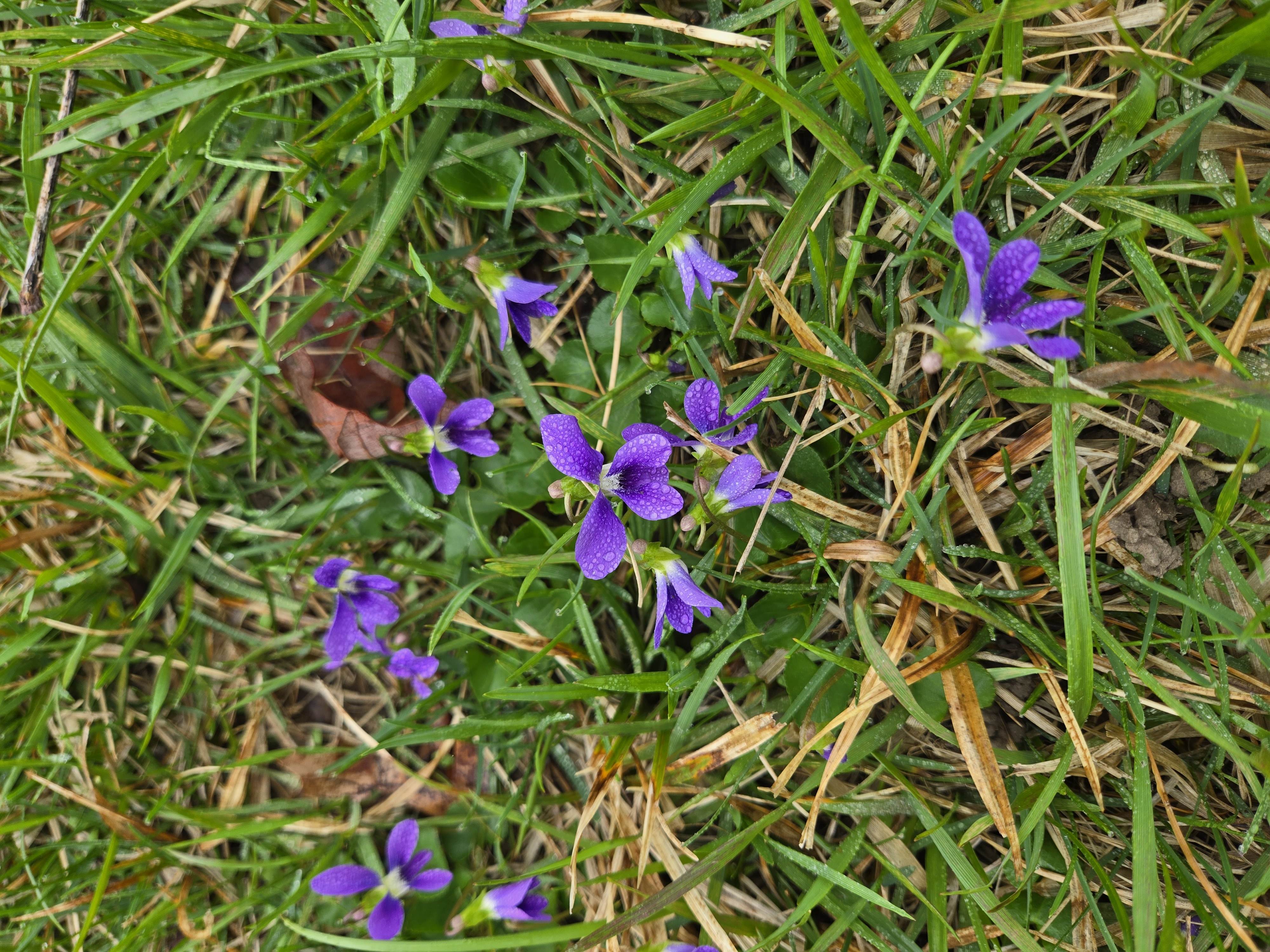
 Small, low-growing violets are an excellent source of pollen and nectar for early emerging pollinators. They are a host plant for many Fritillary butterfly species. Photo by Katie Kammler.
ST. JOSEPH, Mo. – Don’t get too anxious about cleaning your yard for spring, says Gwen Funk, University of Missouri Extension field specialist in horticulture.
“Warmer temperatures may entice you to rake leaves, trim back flower stems or remove mulch, but both plants and insects are still sleeping and are not fooled by mother nature’s teasing temperatures,” she says.
Hold off on spring cleanup until temperatures are consistently above 50 degrees Fahrenheit. Many native bees, butterflies and moths overwinter in dead in plant stems, in leaf litter or just below the soil surface, waiting for warmer weather.
Until then, Funk offers these suggestions for maintenance on warm days:
Rethink your attitude toward leaves
Too many leaves on your lawn can smother the grass, but it is OK to have 10%-20% of your lawn covered with a thin layer of leaves. These leaves will decompose and add nutrients to your soil.
Gently rake excess leaves and move them to your flower beds for a free source of mulch. Leave the leaves intact since shredding them may destroy hibernating critters.
Gently move the leaves around the base of the trees. Don’t pile the leaves directly around the trunk. If space allows, pile leaves in an outlying location to decompose naturally. In a year or so, you will have nutrient-filled mulch. If possible, do not send leaves to the landfill.
Old flower stems are OK
Many beneficial insects and pollinators are still developing in the hollow stems of your flowering plants. It is fine to trim the old flowering heads of plants, but do not cut the stems down to the ground. Cut them at varying lengths of 12 to 18 inches to accommodate the nesting bugs. Cutting the stems back a bit will expose a cavity that early emerging pollinators will find and use.
As the season progresses, new growth will cover these dead stems and hide them. Eventually, they will break down and release their nutrients back into the soil.
No-mow April
Delay mowing as long as possible to allow early spring flowers such as violets and clovers to bloom and provide crucial early food sources for pollinators. Consider breaking up your green carpet of lawn and adding low-growing flowers to provide nectar and pollen for pollinators. Even dandelions can provide some nutrients for these early-emerging pollinators.
Do not mow the lawn until there is at least 3 inches of new growth. Roots of the cool-season grasses are being established, and they need vigorous top growth to support good root development. A mowing height of 3.5 to 4 inches is critical at this time to discourage weed invasion and to support good root establishment. If weeds become an issue, try to use mechanical (hand pulling/hoeing) and cultural (correct mowing height) methods. Avoid using pesticides during this time. If pesticides are necessary, spot-treat the weeds, and use when pollinators are not as active (evening hours). Be sure to accurately identify the weed and follow all pesticide label recommendations.
Modify your landscape
Spring is a good time to think about new plants for your landscape. Remember to add diverse layers of habitat and try to include plants that create a variety of blooms from February to October.
There are many native plants you can add to your flower garden. You might also consider “green mulches” or native plants that grow 6 inches or less as a ground cover. Choose plants recommended for your USDA plant hardiness zone and are appropriate for your soil and light conditions. Remember to leave some bare ground for nesting bees and to create small brush piles for shelter.
For more information
- Pollinator-friendly lawns: you can have it all! MU Integrated Pest Management article
- Grow Native, a program of the Missouri Prairie Foundation
- Xerces Society for Invertebrate Conservation
Photos
Self-heal (Prunella vulgaris) is an excellent, highly recommended native plant for pollinators. It is especially good for native bee support. Photo by Katie Kammler.
Dandelions can provide an early source of nutrition for pollinators. Photo by Katie Kammler.
Small, low-growing violets are an excellent source of pollen and nectar for early emerging pollinators. They are a host plant for many Fritillary butterfly species. Photo by Katie Kammler.