Take heart, plant lovers. Winter rest is almost over, spring renewal begins.
-
Image
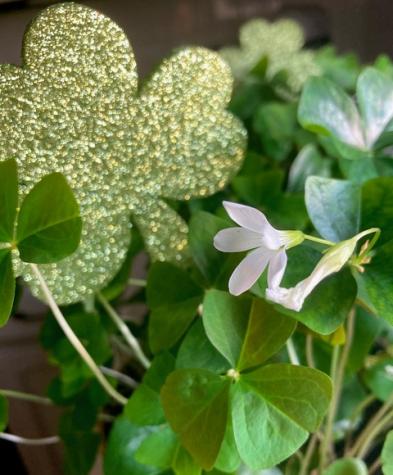 Shamrock plants can be planted outdoors after the risk of frost has passed. Photo by Linda Geist.
CARROLLTON, Mo. – Winter’s darkness is slowly lifting, and houseplants are beginning their quiet comeback, says University of Missouri Extension field horticulturist Kathi Mecham. Early February, according to Irish folklore, is when life begins to awaken underground.
“Beneath the frozen soil things are starting to happen,” says Mecham. Tree sap begins to flow, snowdrops push upward, and roots slowly resume growth. As days lengthen and light indoors increases, houseplants respond with signs of new growth as well.
Mecham explains that during winter, the sun sits lower in the sky, bringing shorter days and longer nights. Reduced and less intense light signals plants to rest. Growth slows, water needs decrease, and in some cases, leaves may drop entirely, an expected part of the dormancy cycle.
“No need to be alarmed. This is normal, and with special care these plants will rebound in the spring,” says Mecham.
Some plants that completely die back:
Caladium grows from a tuberous corm. Most thrive in the heat, but not the sun. Grown for their spectacular color, the heart-shaped leaves are red, pink and white. They bring a lot of attention to the shade garden. Caladiums are sensitive to the cold, and the tubers should be dug after the first frost and stored in moist peat in a dark place. Give them a head start by starting them indoors in April. Keep the soil above 70 degrees to keep them growing before planting outside.
Elephant ear is the common name for another group of tropical perennials that lose all their leaves. They also have large heart-shaped leaves, but they are various shades of green, blue-green and burgundy to almost black, making them a dynamic addition to any garden. The leaves, stalks and tubers are all larger than caladiums. They go dormant in cooler weather and must be stored in the dark before coming out of dormancy.
Canas and dahlias lose their leaves and can be dug, dried and stored after frost has killed the foliage.
Amaryllis lose their leaves in the fall, and the bulb needs a period of rest in a dark environment. Once the bulb is brought out of the dark, look for the tips of green leaves to emerge from the bulb. The flowers are magnificent. They can be 4 to 10 inches across and range in color from white to pink to deep reds. Apricot and salmon are also favorite colors.
Cyclamen can bloom for up to three months. The flowers range from pure white to pink, lavender and reds. Cyclamens enjoy cooler temperatures and bloom throughout the winter. The plant goes into dormancy in late spring; they do not tolerate the hot conditions of summer. When leaves fade and drop, reduce water and fertilizer. Repot the tuber after summer dormancy. This is a favorite plant on Valentine’s Day.
The shamrock plant grows from tubers and requires cool conditions and bright light. If the plant does not get enough light, the stems become leggy and weak. The good news is that it also does well outside and can be moved outdoors in partial shade when the risk of frost has passed. Like most plants, the shamrock plant will not tolerate overwatering, which can lead to root rot and will eventually kill the plant. In late fall the foliage can yellow and start to die, this signals dormancy. Stops watering and fertilizing and store in a cool dark location. When new growth begins, return to a sunny location and resume water and fertilizer.
“Whether the plants go dormant in the winter or summer, the signs are similar,” Mecham says. “There will usually be reduced growth or yellowing and complete leaf drop. Less water is needed, and the risk of overwatering is greater. Dormant plants do not need fertilizer. Be patient and soon you will have beautiful foliage or flowers or both.”