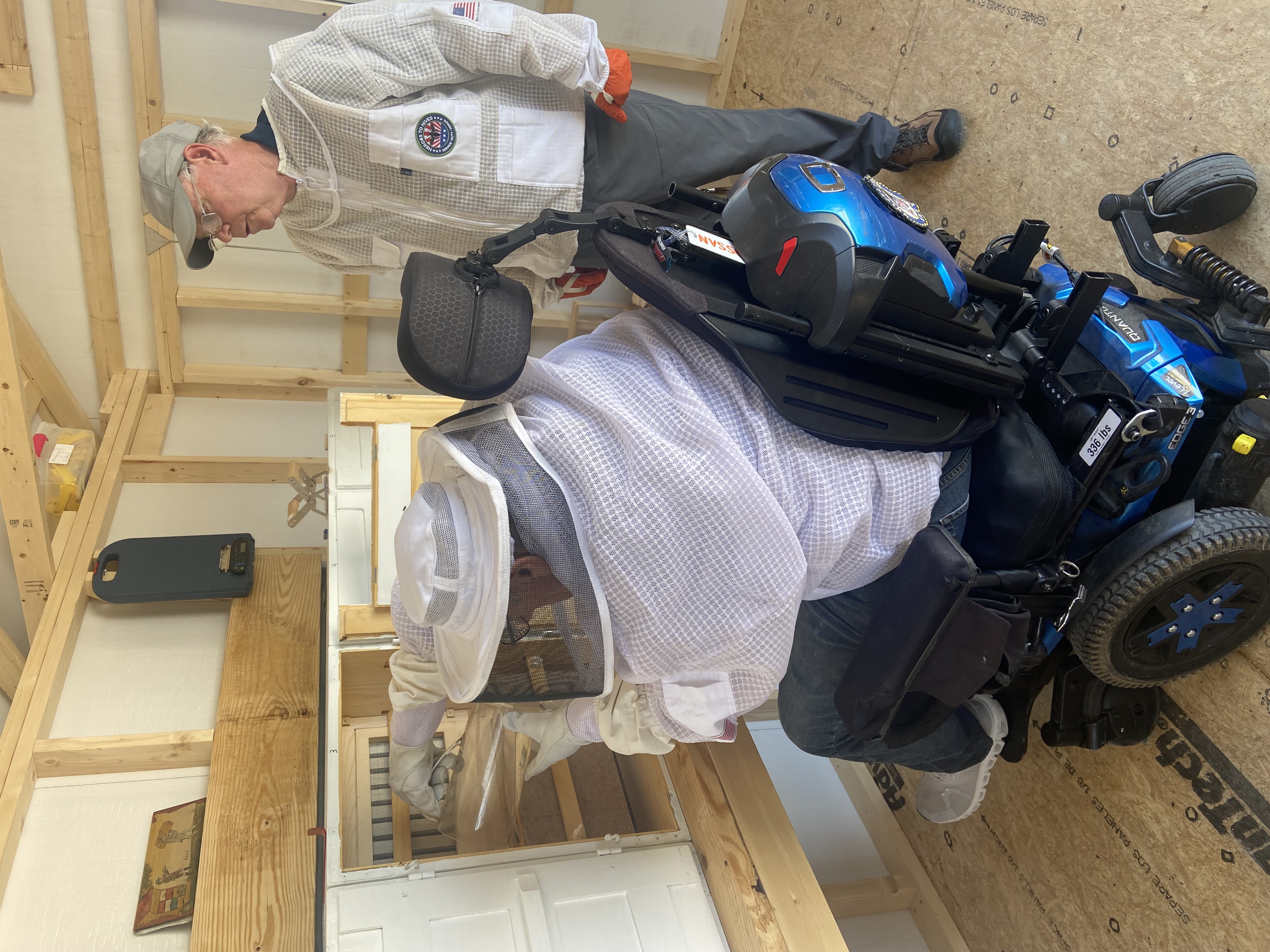
Veterans say beekeeping helps their mental health.
-
Image
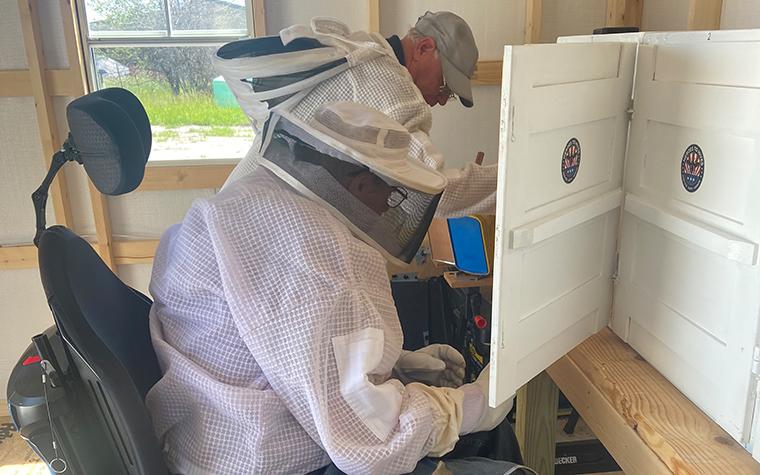 Vietnam War era veteran Fred Marjoda of Columbia finds it easier to participate in beekeeping due to the design of the beehouse and hives. Photo courtesy of Karen Funkenbusch.
 -
Image
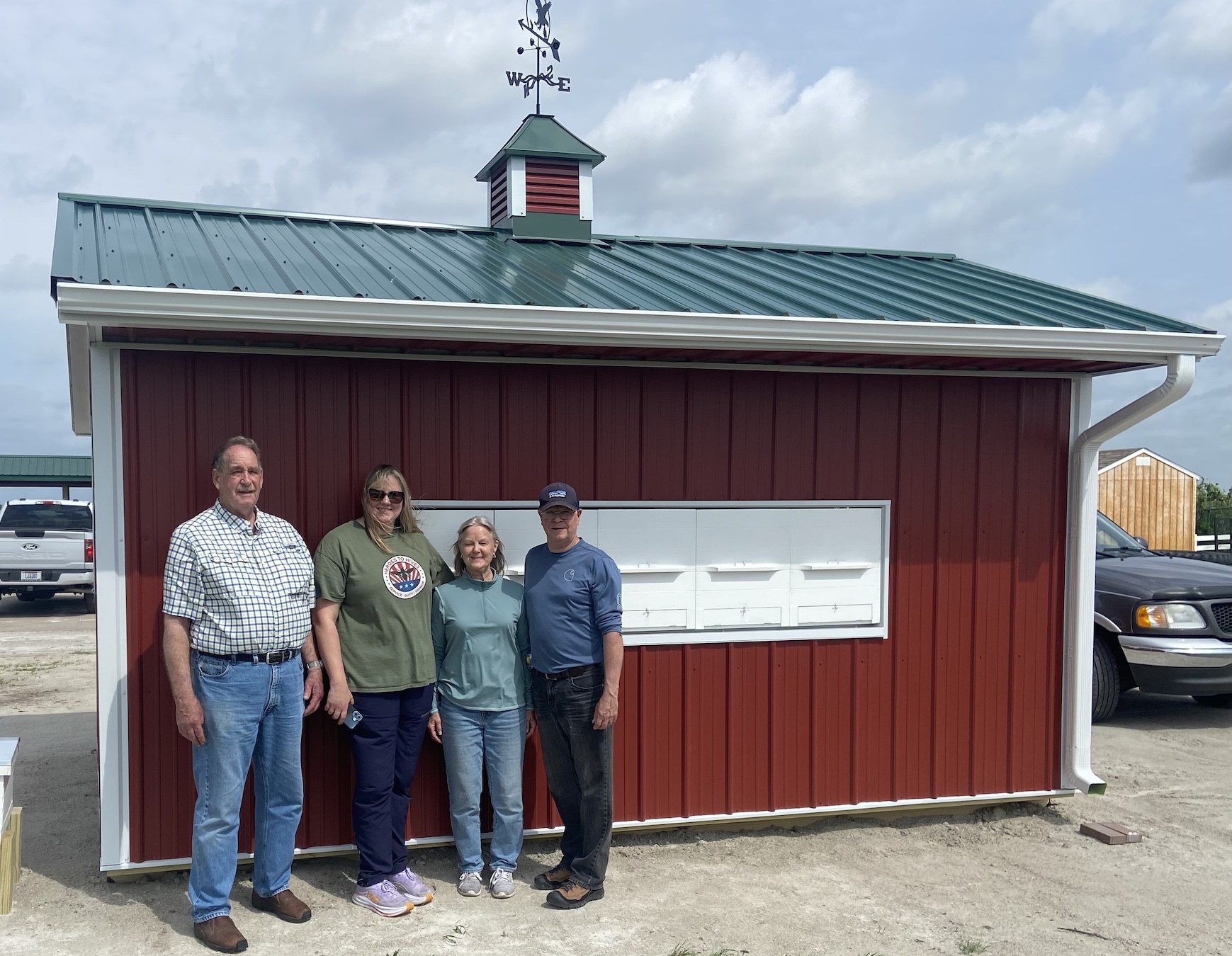
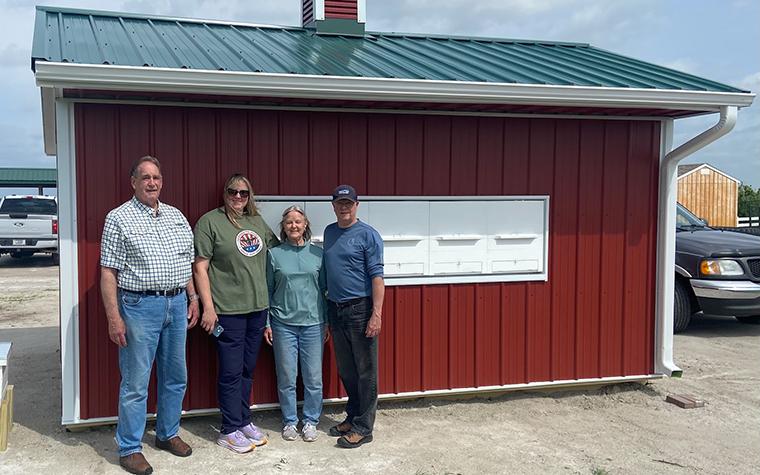 Volunteers from the Rotary Club of Columbia, Boone Regional Beekeepers Association and Extension Master Gardeners helped prepare the Jefferson Farm grounds for the Heroes to Hives beehouse. Pictured, from left, Carl Korschgen, who serves as a mentor to the Missouri Heroes to Hives program; MU Extension field specialist Joni Harper; MU Extension assistant professor Karen Funkenbusch; and Heroes to Hives yard boss at Jefferson Farm, Kirk Funkenbusch. Photo courtesy of Karen Funkenbusch.
 -
Image
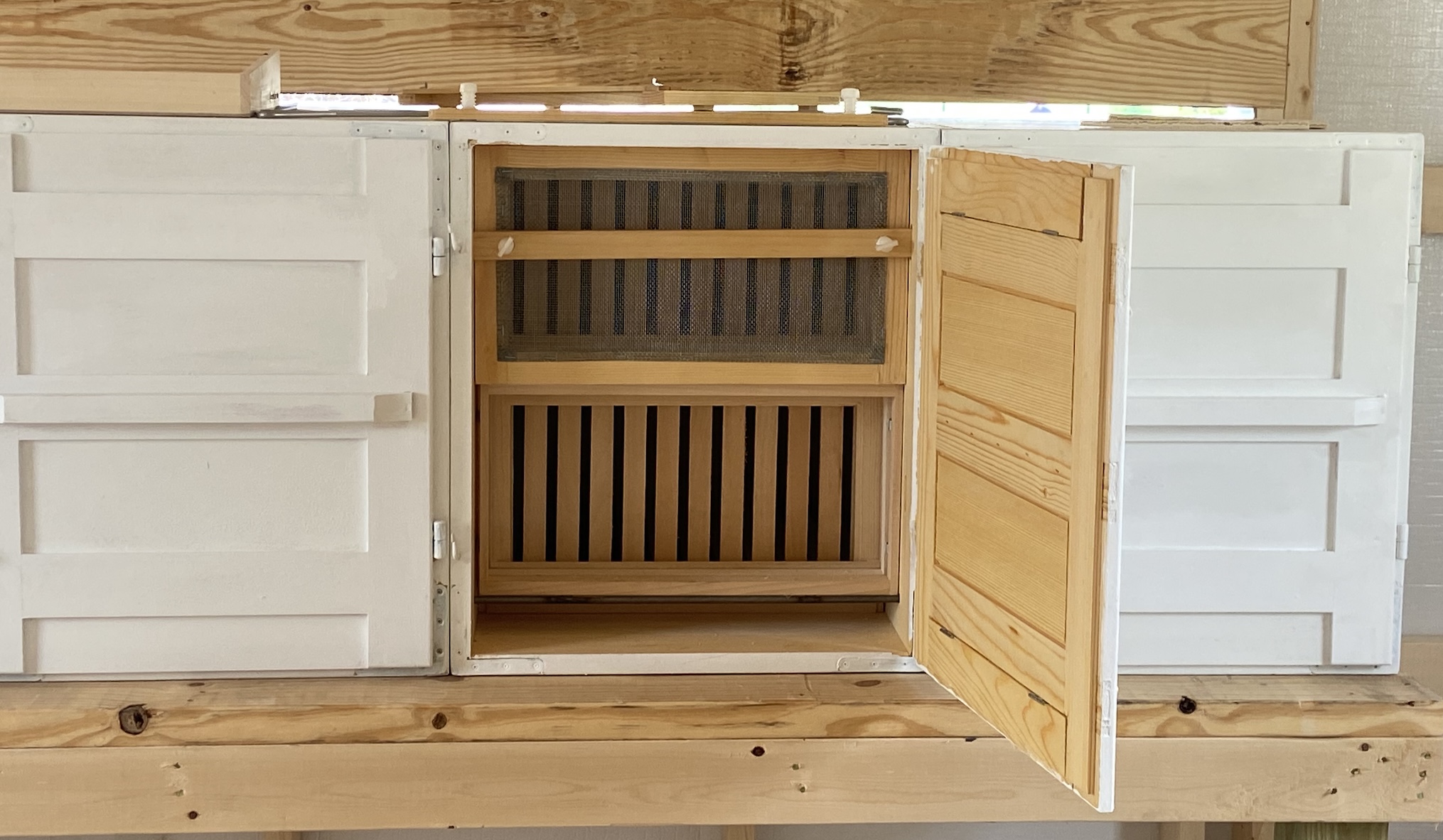
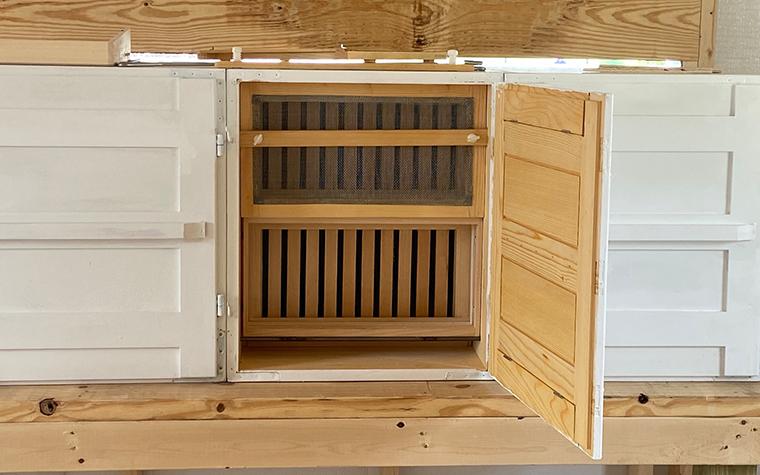 The beehouse provides protection from the elements and is accessible in a sitting position. The Slovenian-style beehives combine accessibility, wellness and hands-on agricultural education. Photo courtesy of Karen Funkenbusch.
COLUMBIA, Mo. – New wheelchair-accessible beehives at University of Missouri’s Jefferson Farm and Garden in Columbia put Missouri Heroes to Hives at the forefront of accessible agriculture education.
The AZ beehives, named after their inventor, Slovenian beekeeper Anton Žnideršic (1874-1947), and other sit-down hives combine accessibility, veteran wellness and hands-on agricultural education in a purpose-driven environment, says MU Extension assistant professor Karen Funkenbusch, who leads Heroes to Hives of Missouri, which provides free beekeeping education and community development for military veterans and their families.
“By incorporating accessible Slovenian-style beehives into Heroes to Hives programs, extension workshops and MU’s five demonstration apiaries across the state, Missouri communities can expand who gets to participate in beekeeping,” says Funkenbusch.
Unlike traditional Langstroth hives, which require lifting, AZ hives are housed in cabinets with frames that slide out horizontally on metal rails much like books on a shelf or files in a cabinet.
This lighter-weight system eliminates the need for heavy lifting and is housed in a bee house for protection. Veterans with back, hand or other injuries have the potential to keep bees into their 80s with this method, says Funkenbusch.
In Missouri, Heroes to Hives programming and MU Extension beekeeping education emphasize skill-building, safety and long-term sustainability, making ergonomic hive designs an important consideration, she says.
“These setups offer a calm, focused environment that reduces PTSD, anxiety and stress symptoms while fostering a sense of purpose and community,” says Funkenbusch.
Slovenian beehives can reduce physical barriers that might otherwise prevent participation in beekeeping, particularly for veterans with service-connected injuries or mobility limitations, she says. By minimizing strain and allowing for individualized pacing during hive inspections, these hives help ensure that more participants can successfully engage in beekeeping as a therapeutic activity, a hobby, or a potential supplemental income stream.
The beehouse at Jefferson Farm and Garden Extension and Education Center was placed in mid-April. Volunteers from the Rotary Club of Columbia, Boone Regional Beekeepers Association and Extension Master Gardeners, in addition to the MU Extension faculty and staff, helped to prepare the grounds to make way for the Heroes to Hives beehouse, which contains the five AZ hives donated by the Rotary Club of Columbia. The Boone Regional Beekeepers Association provided the bees and mentoring for the project.
Since its launch in Missouri in 2021, Heroes to Hives (H2H) has enrolled more than 1,700 veterans, providing participants with annual education in beekeeping, agricultural literacy and wellness practices. Missouri H2H is the first program chapter outside of the Michigan-based national Heroes to Hives model, and it has quickly become a national example of veteran-focused agricultural education.
“Heroes to Hives addresses multiple critical needs among Missouri veterans,” says Funkenbusch. More than 60% of participants entered the program with a service-connected disability, ranging from physical limitations to post-traumatic stress disorder, she says.
In addition to aiding veterans with physical limitations, the beekeeping program helps improve the mental health of rural Missourians who are veterans. Veterans participate in other wellness activities such as tai chi. Funkenbusch says 77% of surveyed participants reported a positive change in their mental health.
More than 70% of participants are new to both beekeeping and agriculture, yet more than 40% report either starting or actively developing a beekeeping enterprise following completion of the program.
Collectively, Missouri H2H graduates have established more than 3,000 new beehives, contributing to an estimated 8% increase in statewide honey production, Funkenbusch says. These outcomes highlight the program’s ability to introduce veterans to agriculture and help them build sustainable small businesses.
“By working together to protect our pollinators, our veterans find a renewed sense of purpose, a supportive community and a therapeutic outlet that helps heal the invisible wounds while building economic opportunities,” she says.
MU Extension field specialists Travis Harper, Joni Harper assist with the program. Jefferson Farm Heroes to Hives apiary yard boss is Kirk Funkenbusch.
The USDA National Institute of Food and Agriculture and private gifts funded the building and hives.
Photos
Beehouse. Volunteers from the Rotary Club of Columbia, Boone Regional Beekeepers Association and Extension Master Gardeners helped prepare the Jefferson Farm grounds for the Heroes to Hives beehouse. Pictured, from left, Carl Korschgen, who serves as a mentor to the Missouri Heroes to Hives program; MU Extension field specialist Joni Harper; MU Extension assistant professor Karen Funkenbusch; and Heroes to Hives yard boss at Jefferson Farm, Kirk Funkenbusch. Photo courtesy of Karen Funkenbusch.
Beehives. The beehouse provides protection from the elements and is accessible in a sitting position. The Slovenian-style beehives combine accessibility, wellness and hands-on agricultural education. Photo courtesy of Karen Funkenbusch.
Vietnam War era veteran Fred Marjoda of Columbia, left, finds it easier to participate in beekeeping due to the design of the beehouse and hives. Photo courtesy of Karen Funkenbusch.