-
Image
 Adobe stock photo
ST. LOUIS – What happens in the winter to our vegetable gardens? “As temperatures cool, warm-season plants die and wildlife goes into hibernation. In our gardens, this means it is time to clean up crop residue and protect the soil,” says Eliza Pessereau, horticulture specialist for University of Missouri Extension’s urban east region. “Of course, don’t forget to leave some habitat for beneficial wildlife!” Pessereau adds.
Why clean up the garden?
Insect pests and disease from this season may still be living on or in your dead plants, meaning they could reinfect your new plants next year, Pessereau says.
When pulling up dead plants, only those free of pests and disease should go into your compost. Otherwise, plant pathogens and insect pests could live in your compost pile, waiting to be reapplied the next year.
Put any diseased, splotchy and discolored plants in the trash or bury them outside the garden.“Also, a good rule of thumb is to always put dead tomato plants in the trash. They are prone to diseases,” she says.
Why leave habitat?
If you have woody perennial plants, wait to cut down the dead stems until spring when nighttime temperatures have been above 40 F for at least a week. This allows time for native stem-nesting bees to develop and emerge so they can pollinate your plants next year.
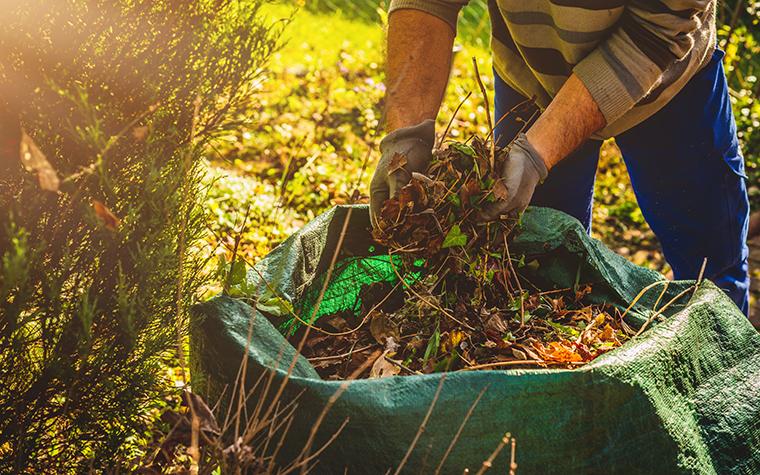
Thinking of cleaning up the leaves? Fallen leaves can smother your lawn, but they work as the perfect mulch for overwintering garden beds or below trees and shrubs. And leave the lawn mower in the garage; insects such as the black swallowtail caterpillar spend the winter camouflaged in chrysalises that look like fallen leaves, and mowing the leaves can harm hiding insects.
Why protect the soil?
In the winter, when garden beds have no roots in the soil, soil erosion can be a significant problem. What can you do? Add fallen leaves, compost or a cover crop to your beds to help keep the soil in place. These methods can also help outcompete weeds.
If using a cover crop, look for one that will winter kill, meaning it will die over the winter with freezing temperatures, so you will not need to smother it in the spring. If you use a winter-hardy cover crop, like the popular cereal rye, plan to smother it with mulch or cardboard a few weeks before planting in the spring.