-
Image
 Adobe stock photo.
COLUMBIA, Mo.—Benjamin Franklin once observed, “An ounce of prevention is worth a pound of cure.” Though Franklin was referring to fire prevention in Philadelphia, he just as easily could have been talking about pest control in yards and gardens, said University of Missouri Extension horticulturist David Trinklein.
Prevention always is the easiest cure for pests and, in certain cases, it’s the only remedy.
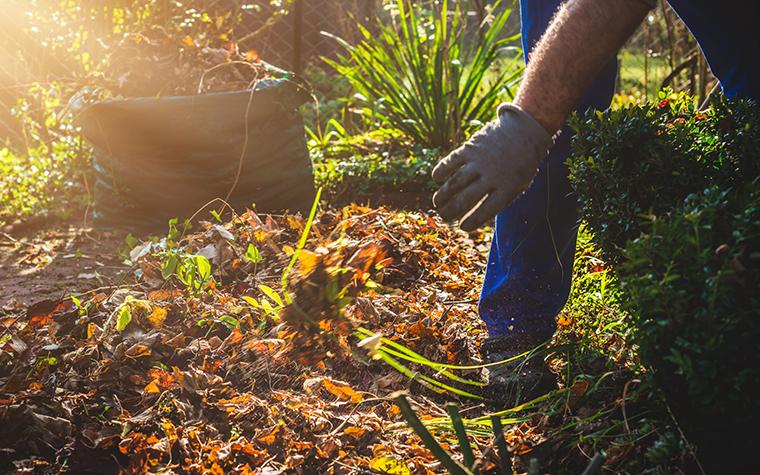
After flower and vegetable gardens have completed their display and productivity, remove plant debris (which are an ideal refuge for insect pests) and take steps to improve the soil for planting early next season.
Consider fall plowing or tilling. But before doing that, pull and discard perennial weeds and any plants that may have developed a serious disease during the season, and remove diseased leaves that have fallen to the ground.
Total removal of plant debris probably isn’t possible, but removing as much as possible along with plowing or tilling under the remaining diseased leaves will speed up decay and lower the amount of disease inoculum that will survive the winter.
If soilborne diseases, such as vascular wilt of tomato, were a problem in the garden during the past year, fall tillage will not solve the problem, said Trinklein. Crop rotation may reduce the severity of these diseases next year. In some cases, disease-resistant varieties should be selected for planting, if available.
No matter if the garden old or new, one of the best times to add organic matter, fertilizer or limestone is before fall tillage. Add organic matter such as manure, compost, leaf mold or peat moss after removing plant debris. For spring addition of manure, only old, use well-decomposed manure. However, when adding manure in the fall, you can use fresher manure since it will have enough time to decompose before the next growing season. The latter prevents nitrogen tie-up that happens as soil microbes decompose organic matter and lower its carbon-to-nitrogen ratio.
If you have heavy soils that tend to crust or form clods, add several inches of organic matter to the surface and thoroughly incorporated each fall. Sandy soils also benefit from adding organic matter. After several years, a much-improved garden soil will result. Mulches used in the garden during the past growing season may also be turned under during the fall and a new layer added to the surface the following spring.
When applying manure or compost, be wary of herbicide contamination. Recently, herbicide damage on sensitive crops such as tomato has become commonplace. In many cases, this was traced to the use of compost contaminated with long-lived herbicides used for forage and hay production. Symptoms of herbicide damage from contaminated compost include poor seed germination, twisted or malformed new growth, elongated fruit and leaves, and death of younger plants.
Fall also is an ideal time to conduct a soil test and make any recommended adjustments. The general well-being of plants the past season can be an indication of whether the garden needs a soil test. Gardens whose soil has never been tested should have one run. Once you have made recommended adjustments to the soil, testing about every five years is sufficient, unless soil fertility and plant nutrition problems show up.
If you find yourself continually battling certain diseases and insect pests, sanitation might be the problem. Clean the garden area as early as possible after the growing season instead of waiting just before planting the following spring.
“Fall cleanup becomes the ultimate act of tucking your garden into bed for the winter,” said Trinklein. “It’s the bittersweet moment where you trade your sun hat for a cozy flannel shirt and gently evict the overextended tomato plants that spent the summer bearing fruit. Clearing out the weary, faded annuals is less about yard work and more about prepping your landscape to make room for next spring’s bestsellers.
“Fall cleanup is not just tidying up,” he said. “Gardeners are setting the stage for a productive growing season after winter loses its icy grip on nature.”