Don't let toxic plants, flammable greenery ruin your holidays.
-
Image
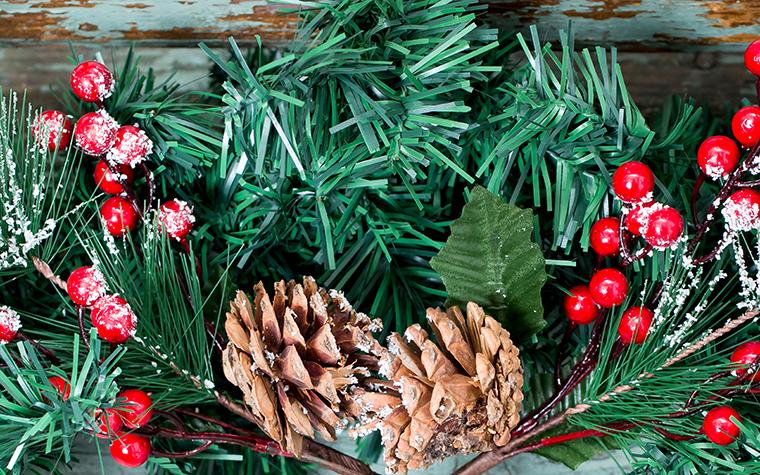 Adobe stock photo.
COLUMBIA, Mo. – Ornamental plants are a great way to make your home festive for the holidays. Stealing a kiss under the mistletoe or hanging a holly wreath to welcome guests are both great holiday traditions. “What’s not so great is that both of these plants are toxic,” said David Trinklein, horticulture specialist for University of Missouri Extension.
Popular holiday plants that are toxic include mistletoe, holly, English ivy and Japanese yew. These plants can cause harm if ingested; this is especially true for small children and pets, Trinklein said.
Of these four, mistletoe is the most notorious. Mistletoe is toxic to the point that many retail outlets hesitate to sell it, he said. What you buy as mistletoe probably is a silk or synthetic facsimile.
Holly is a step down in toxicity. The red berries are the offensive part of this plant. If using holly, locate it where if a berry does fall off, it cannot roll onto the floor, Trinklein said. “Children tend to explore their world through taste as well as sight. A bright red holly berry on the floor might prove irresistible to a toddler.”
English ivy is slightly toxic. So is the Japanese yew, an outdoor shrub that serves as decorative greenery in many homes during the holidays.
“Yews have nice green foliage and berry-like red fruit,” Trinklein said. “The fruit and especially the seeds inside contain a toxin called taxine, which can cause nausea and vomiting.”
Decking the halls safely goes beyond using caution with poisonous plants. This is also a time of year for fire hazards.
According to the National Fire Prevention Association, holiday decorations and Christmas trees account for more than 800 structure fires resulting in $17 million in property loss annually. Trinklein said proper placement and keeping holiday greens hydrated can help prevent many fires.
“When you bring home greenery, re-cut the stems and place it water and store it in a cool place,” Trinklein said. “Don’t rush the season. Hold off moving the greenery into the home until shortly before Christmas, and discard it as soon as it starts to dry out.”
Just a little caution will keep the holidays joyful while protecting family and friends.