-
Image
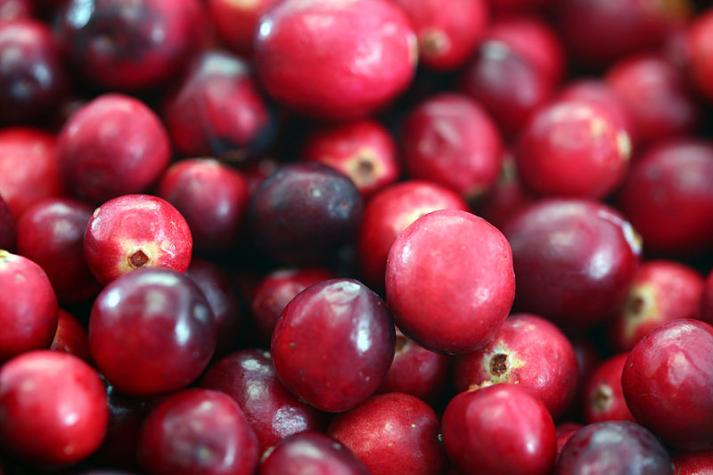 Cranberries. Photo by Cjboffoli, CC BY 3.0 (https://creativecommons.org/licenses/by/3.0), via Wikimedia Commons. (https://commons.wikimedia.org/wiki/File:Cranberries20101210.jpg)
COLUMBIA, Mo. - Someone once likened a cranberry to a cherry that lost faith in humanity and is now taking it out on your taste buds. Yet every November, Americans willingly invite cranberry to the country’s most celebrated yearly feast, said University of Missouri Extension horticulturist David Trinklein.
Serving cranberries really isn’t about nutrition or even flavor. It’s a festive way of proving that we love tradition enough to serve something that actively aggravates our taste buds.
Americans gobble up about 400 million pounds of the bitter berry annually. About 20% of this comes during Thanksgiving week.
Pilgrims found thornless, evergreen cranberry vines covered with small red fruit growing in boggy regions near Plymouth Rock. One of the names Native Americans of the era gave the fruit is ibimi, which means “bitter” or “sour berries.” They used the fruit in several ways, including pounding it into meat to form a paste called pemmican, which preserved the meat. They also used it to dye fabric and as medicine.
Cranberry, blueberry and American grapes are North America’s only three native fruits grown commercially. Cranberries are native to the acidic bogs of New England and parts of Canada.
The plants are evergreen and trail along the ground, producing short, vertical shoots as they spread. The shoots later flower and bear fruit for many years. The fruit turns from white to red as it ripens and matures.
Commercial production of the cranberry began in 1816, when Revolutionary War veteran Henry Hall constructed and planted the first bed.
Cranberries are finicky about their growing conditions. They dislike warmth, and they grow in acidic bogs, natural or man-made, with pH levels between 4.5 and 5. Most plants thrive at soil pH levels around 6.5, which is about 100 times less acidic than 4.5.
Most harvesting takes place from mid-September through early November. At harvest, growers flood beds with water to cover the vines 6 inches deep. A mechanical harvester then moves through the bed and severs the fruit from the vine by churning the water. The fruit, buoyant because of air pockets they contain, float to the top and gather in the corner of the bed. A conveyor belt picks them up and takes them to the processing plant.
Cranberry isn’t just another pretty face at the holiday dinner table. Many link it to wellness. The pigment that causes their red color contains an antioxidant linked to combatting some kinds of cancer. Medical professionals promote it for heart health and all-around wellness. Cranberry juice also has the reputation of supporting urinary tract health because it contains proanthocyanidins, compounds that deter bacteria from attaching to the bladder wall. Because of their high vitamin C content, New England mariners ate cranberries on their voyages to prevent scurvy.