Missouri 4-H program builds resilience, life skills in rural youths.
-
Image
 4-H Clown College participants pose for photo with face paint.
 -
Image
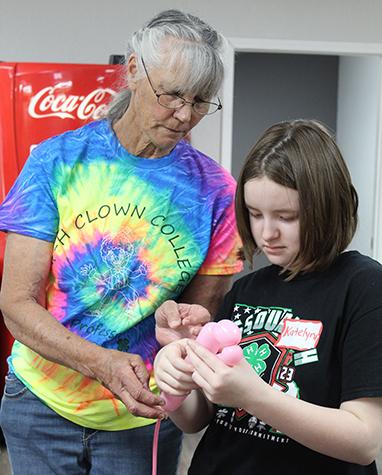 4-H volunteer assists youth in making balloon animals.
 -
Image
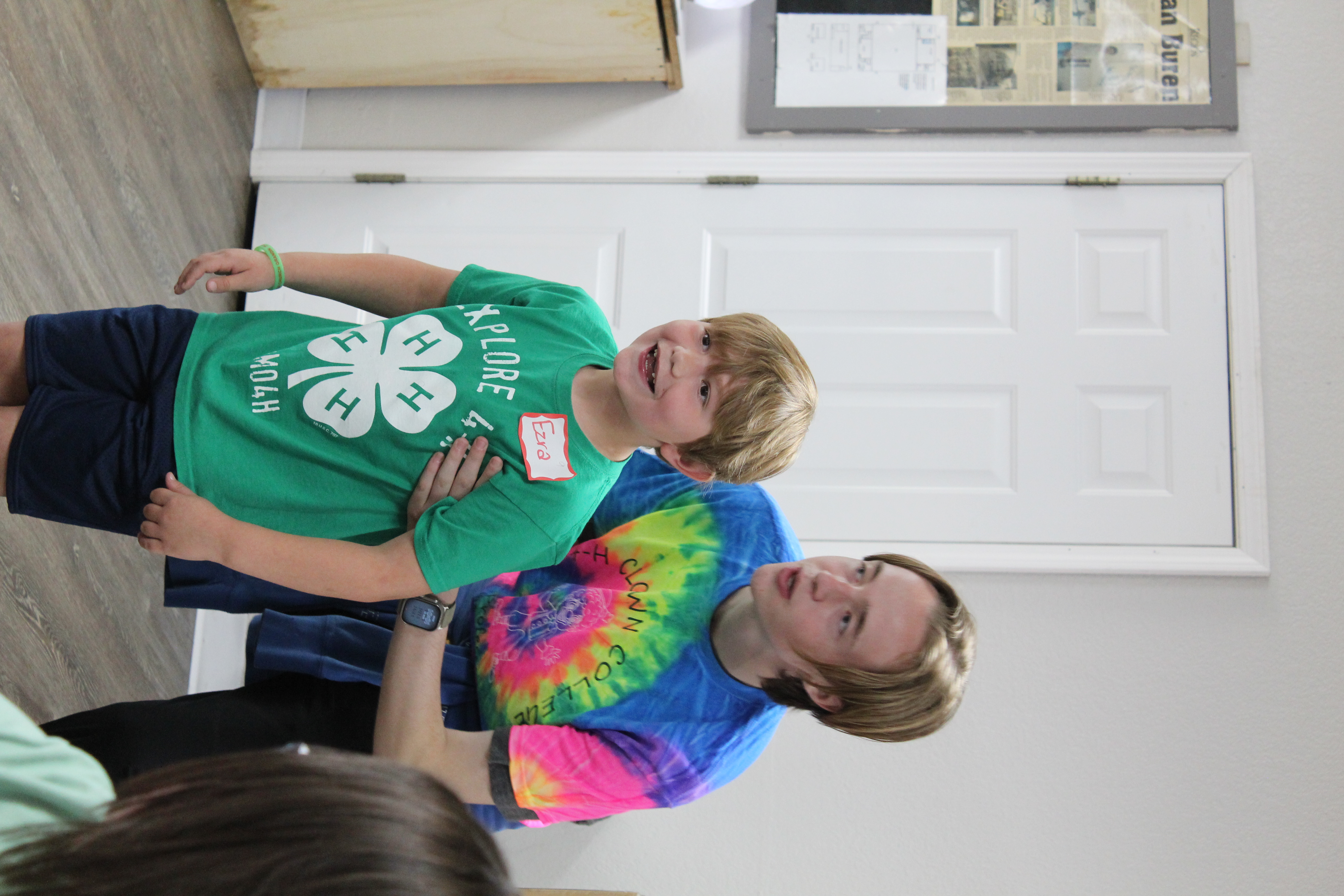
 4-H Ambassador mentors Clown College participant.
 -
Image
 4-H Clown College participant gets her face painted.
EMINENCE, Mo. — What can juggling, mime and balloon animals teach young people about handling life's challenges? Quite a bit, according to University of Missouri Extension’s 4-H Clown College, which uses clowning arts to help rural youths build confidence, resilience and healthy coping skills.
Launched in the summer of 2024, 4-H Clown College has reached youths ages 8 to 12 across Shannon, Reynolds, Ripley, Carter and Oregon counties. Delivered in local schools, 4-H day camps, community clubs and vacation Bible schools, the initiative pairs traditional clowning arts with foundational social-emotional learning and mental well-being skills, says program creator Emily Doosing, MU Extension 4-H specialist.
Teen 4-H Ambassadors ages 13 to 18 assist in delivering the curriculum, providing near-peer mentorship throughout the program.
“Youth who develop mental well-being and healthy coping mechanisms become better students, more considerate friends, and go on to make positive contributions to their communities,” Doosing says. “Clown College provides a welcoming space where kids can be silly, try new things, and discover practical ways to handle stress and relate to others.”
Participants explore key life skills, define personal boundaries, learn to respect the boundaries of others and establish boundaries to foster safety. Through activities like painting “Scribble Stones” and performing color-changing scarf magic tricks, members learn that differences strengthen communities, Doosing says. Using mime, emotion cards and charades, participants practice active listening and reading body language to better support their peers. Interactive activities like bean bag juggling demonstrate how active listening and empathy help build healthy friendships. Members practice reframing mistakes and building optimism through face painting and expressive arts. Additionally, youths learn mindfulness techniques and visualize stress regulation using balloon-twisting activities.
Doosing says program evaluations and participant feedback reflect meaningful gains in confidence and self-regulation. “Surveys showed participants gained practical coping skills, while qualitative feedback from parents and educators highlighted observable improvements, including fewer discipline referrals at school and more responsible behavior at home.”
As one participant said, “I can do hard things and still be happy.”
For more information about 4-H Clown College or to bring the program to your area, contact your local MU Extension center or reach out directly to Emily Doosing at edoosing@missouri.edu.
Photos
Photo 1: 4-H volunteer assists youth in making balloon animals.
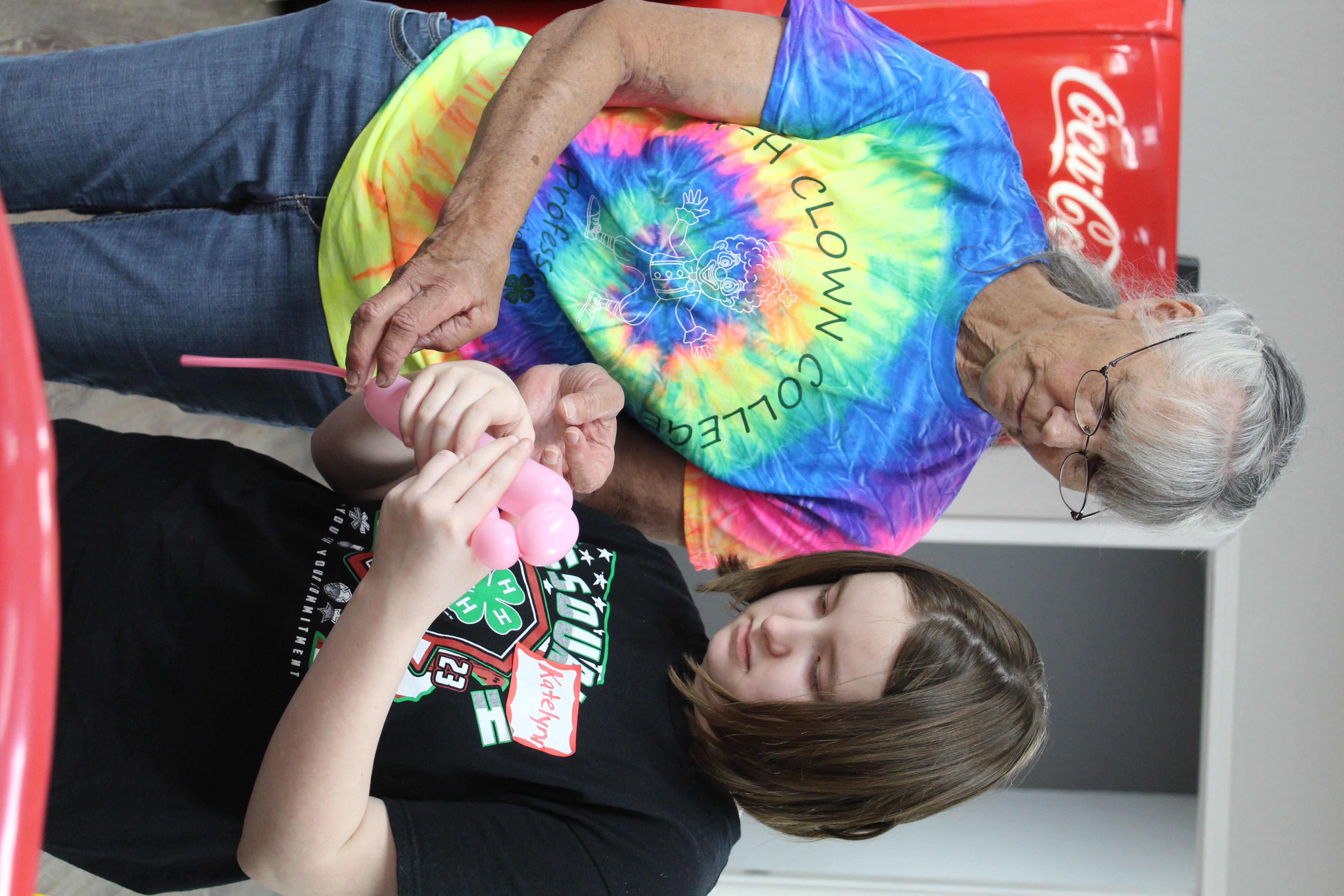
Photo 2: 4-H Clown College participants pose for photo with face paint.
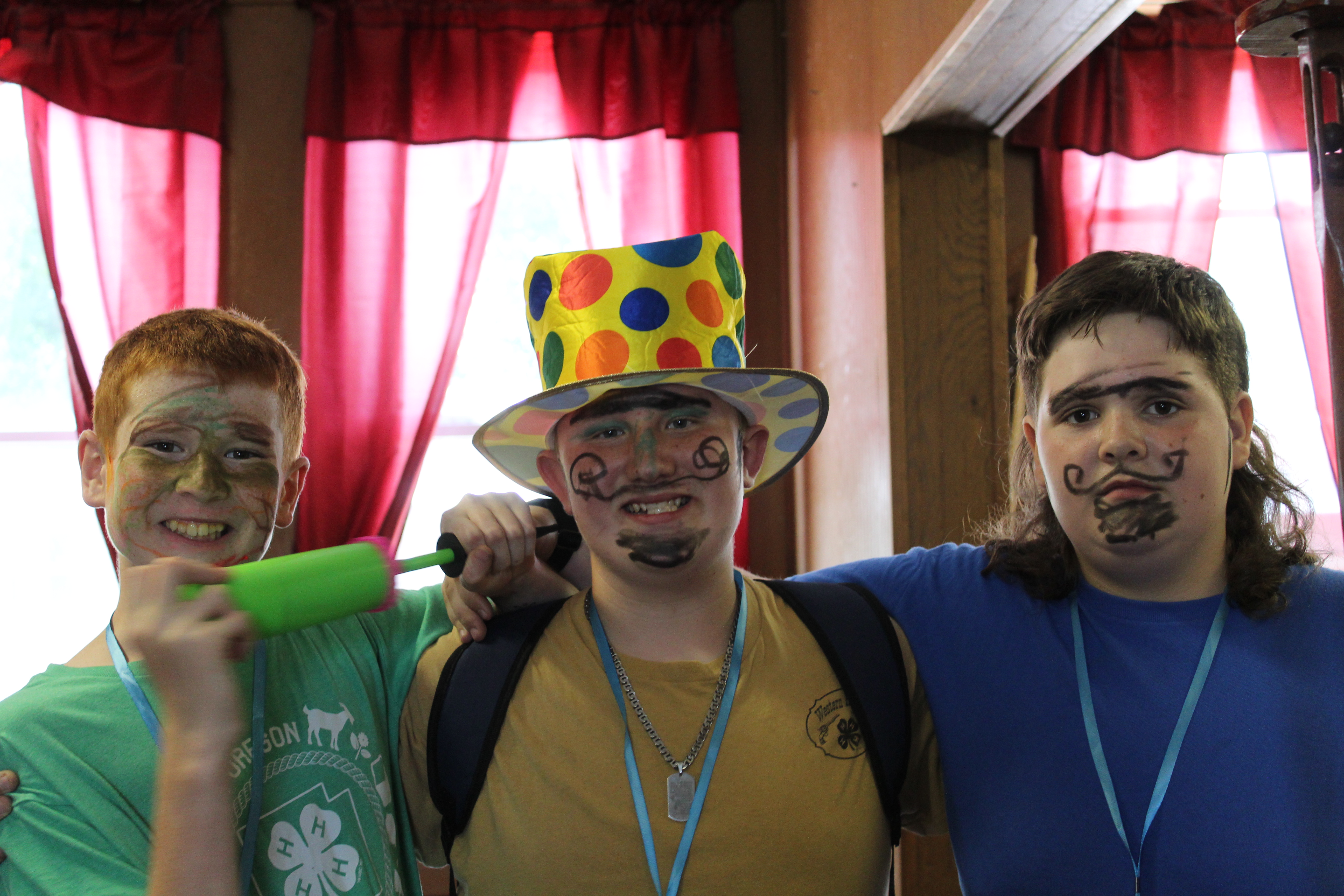
Photo 3: 4-H Clown College participant gets her face painted.
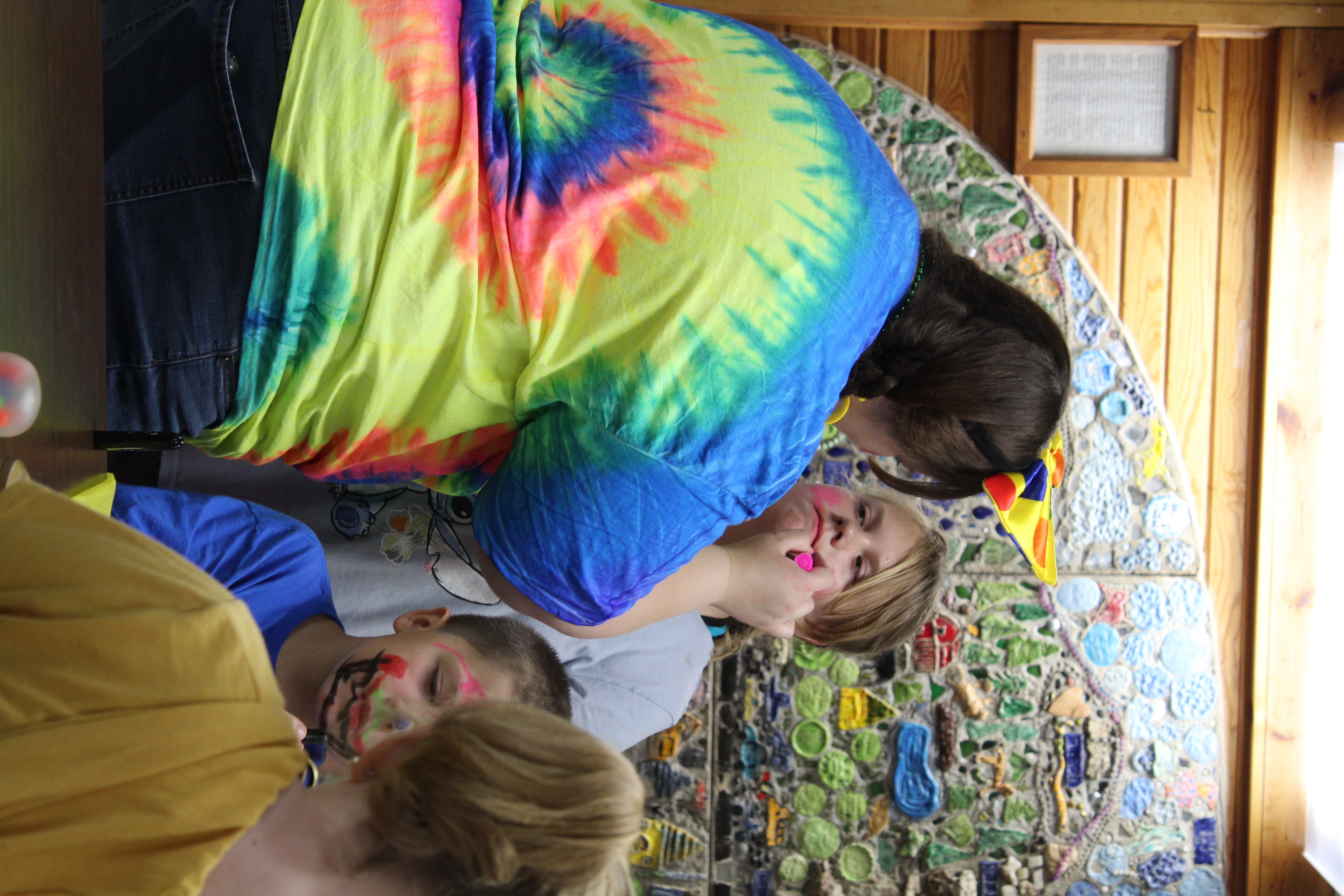
Photo 4: 4-H Ambassador mentors Clown College participant.
About Missouri 4-H
Missouri 4-H grows today’s youth and prepares tomorrow’s leaders. With a blend of time-tested traditions and innovative hands-on learning, Missouri youth explore and find their spark in programs ranging from agriculture and conservation to aerospace and career development. Through clubs, programs, camps, in-school and after-school experiences, University of Missouri Extension faculty, staff and thousands of volunteers guide youth in developing essential skills, building confidence and fostering connections. Together, they inspire young people to make a real difference in their communities, their country and the world.