Private pesticide applicator training
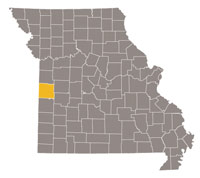
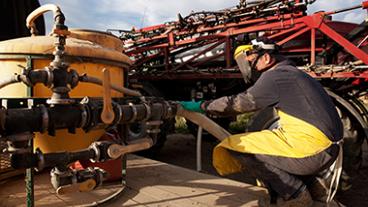
Ag producers who need to obtain or renew a private pesticide applicator license can attend one of the following training sessions provided through University of Missouri Extension. This class also completes the EPA worker protection training program for ag employees who handle pesticides. Producers will be required to purchase an M87 manual for $12 unless they bring a 2007 M87 with them. Please call in reservations for the class one week prior at 417-448-2560 or at the local County Extension Center. If you have questions or need more information, contact Pat Miller, agronomy specialist, at that number. Let us know if you have any special needs at the time of registration. In case of bad weather the classes may be rescheduled. University of Missouri Extension programs are open to everyone.
Classes are scheduled as follows:
February 13, 2012 6:30 p.m., Fairgrounds diner, Centennial Blvd., Nevada
February 20, 2012 2:00 p.m., Jasper County Courthouse basement, 302 S. Main, Carthage
February 20, 2012 6:30 p.m., First Baptist Church, 1301 E. 6th St., Lamar
February 22, 2012 10:00 a.m., Bates County Health Department, 501 N. Orange, Butler
February 23, 2012 2:00 p.m., Methodist Church, Hospital Hill, Arduser Drive, Osceola
March 2, 2012 2:00 p.m., Bates County Health Department, 501 N. Orange, Butler
February is American heart month
Heart disease is the number one cause of death in the United States. In 2002, President Bush proclaimed February American Heart Month. It is during this month that we should review the risk factors for heart disease, the warning signs of a heart attack and check our personal habits to assure we are doing everything possible to keep our hearts healthy.
There are risk factors for heart disease that we have no control over such as age or family history of heart disease. There are more risk factors for heart disease that you can control. They include: lack of physical activity, overweight and obesity, too much alcohol intake and cigarette smoking. High blood cholesterol is a risk factor for heart disease. As cholesterol rises, so does the risk for heart disease. Blood cholesterol can be controlled with a combination of diet, exercise and medication.
Two other risk factors for heart disease include diabetes and high blood pressure. “Many people are walking around with one or both of these conditions and do not know it” said Tammy Roberts, nutrition and Health education specialist with University of Missouri Extension. The American Diabetes Association recommends that people be screened for diabetes regularly starting at age 45. Blood pressure should also be checked on a regular basis. Ideally, your blood pressure reading should be at or below 120/80.
When a person does suffer from a heart attack, getting the patient to the hospital quickly is crucial for life-saving measures to be taken. For this, the American Heart Association says it is important to know the warning signs of a heart attack. They include:
-
Chest discomfort that may feel like uncomfortable pressure, squeezing, fullness or pain.
-
Discomfort in other areas of the upper body which may include one or both arms, the back, neck, jaw or stomach.
-
Shortness of breath with or without chest discomfort.
-
Other signs which may include breaking out in a cold sweat, nausea or lightheadedness.
February is also the month we remember our special loved ones on Valentine’s Day. “Do your loved ones a favor and make just one change to prevent or delay the onset of heart disease” said Roberts. One thing you can do that doesn’t cost any money is walk briskly for 30 minutes most days of the week. Walking helps the cardiovascular system work more efficiently, helps control blood sugar and cholesterol.
Tammy Roberts, Nutrition Specialist
Trees add value to your landscape
Trees can provide your home with shade, wind protection and visual appeal. They can reduce energy costs, provide recreation for children and habitat for wildlife.
Newly planted trees need special attention, and not all trees are suitable for all conditions. MU Extension’s horticulture experts have developed a series of publications to help you choose the right tree and get it established.
G6800, Selecting Landscape Plants: Shade Trees
G6805, Selecting Landscape Plants: Flowering Trees
G6810, Selecting Landscape Plants: Uncommon Trees for Specimen Plantings
G6815, Selecting Landscape Plants: Needled Evergreens
G6820, Selecting Landscape Plants: Broad-leaved Evergreens
G6850, How to Plant a Tree
Don’t guess — soil tests save time and money
Soil testing is the best guide to the wise and efficient use of fertilizer and soil amendments, said Manjula Nathan, director of the University of Missouri Extension Soil Testing and Plant Diagnostic Services.
Whether you grow acres of row crops or have a vegetable patch in the backyard, a soil test will provide you with an analysis of nutrients and a set of recommendations for any improvements.
“We frequently get questions from customers like, ‘I apply fertilizer every year. How come my plants are not doing well?’” Nathan said.
“Most of the time the problem is they never have done a soil test, but have been guessing on fertilizer requirements,” she said. “They do not realize that by guessing they are wasting money by over- or underapplication, and the excess fertilizer can end up in streams, ponds and underground water, polluting the environment.”
Soil testing can be done through the extension office. The cost is $12 per sample. Soil testing publications
Like us on Facebook
Want to know what’s new with University of Missouri Extension? Like us on Facebook at http://facebook.com/MUExtension and follow us on Twitter at http://twitter.com/MUExtension.
Learn about new programs, get news you can use and see how extension adds value to Missouri.